Prevention programs
Our work in prevention began in the late 1970s with a small team of dedicated health educators who took our Me-ology program to the Grade 6 students in Hillsborough County to present to them the skills and knowledge they would need to aim for and reach the goals they would set out to reach. From those early lessons came the development of the comprehensive Too Good programs now offered to school children K-12 nationwide. While our work has evolved over the years, we still go to school every day to teach our work to children in Hillsborough County.
Too Good for Drugs
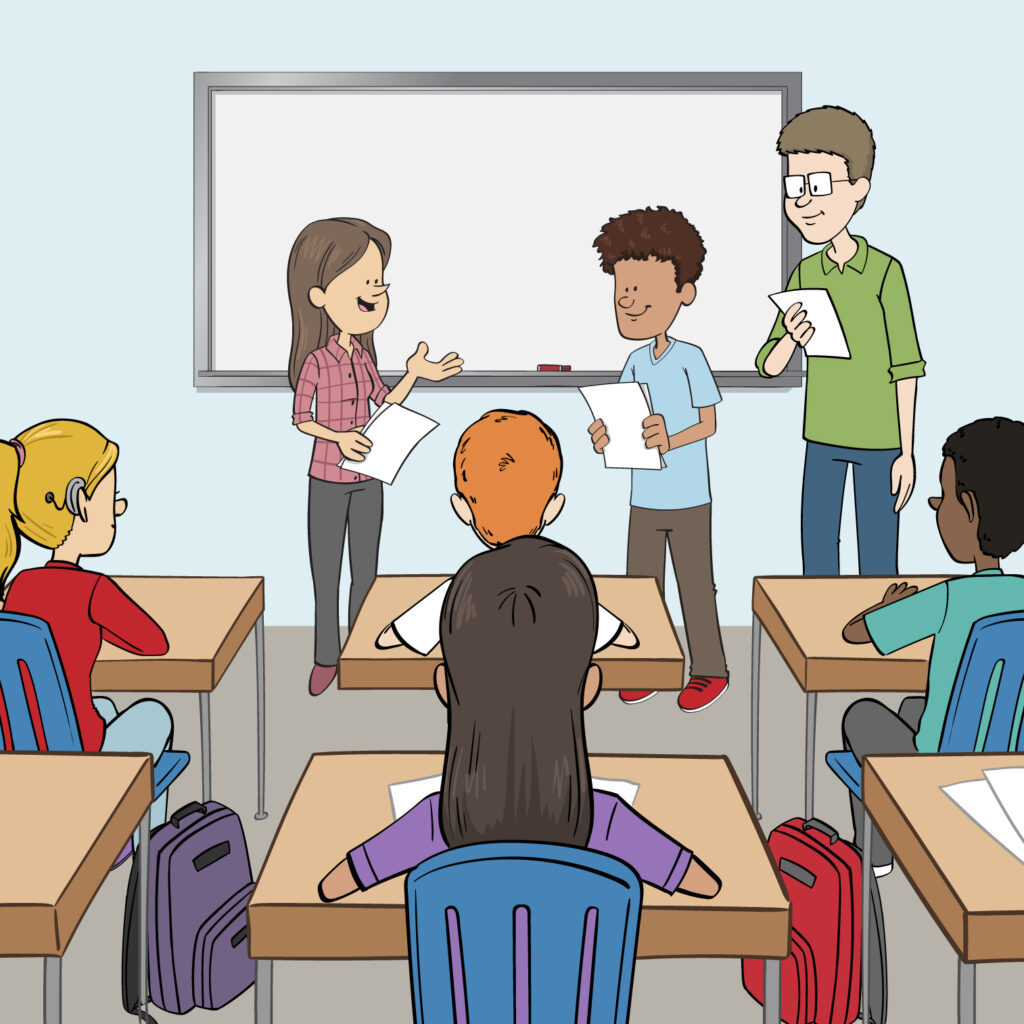
Skills development is at the core of Too Good for Drugs, a universal K-12 prevention education program designed to mitigate the risk factors and enhance protective factors related to alcohol, tobacco, and other drugs (ATOD) use. The lessons introduce and develop skills for making healthy choices, building positive friendships, developing self-efficacy, communicating effectively, and resisting peer pressure and influence.
Too Good for Drugs teaches five essential character development skills to build self-efficacy, promote healthy development, and academic success.
Substance use and its effect on the body are introduced when developmentally appropriate and are discussed in the context of expectations, peer pressure and influence, and the role of the media.
In particular, more complex social challenges and influences that present a greater risk for escapism and risky behavior are explored and met with strategies for managing those situations in a positive and healthy way.
Too Good for Violence
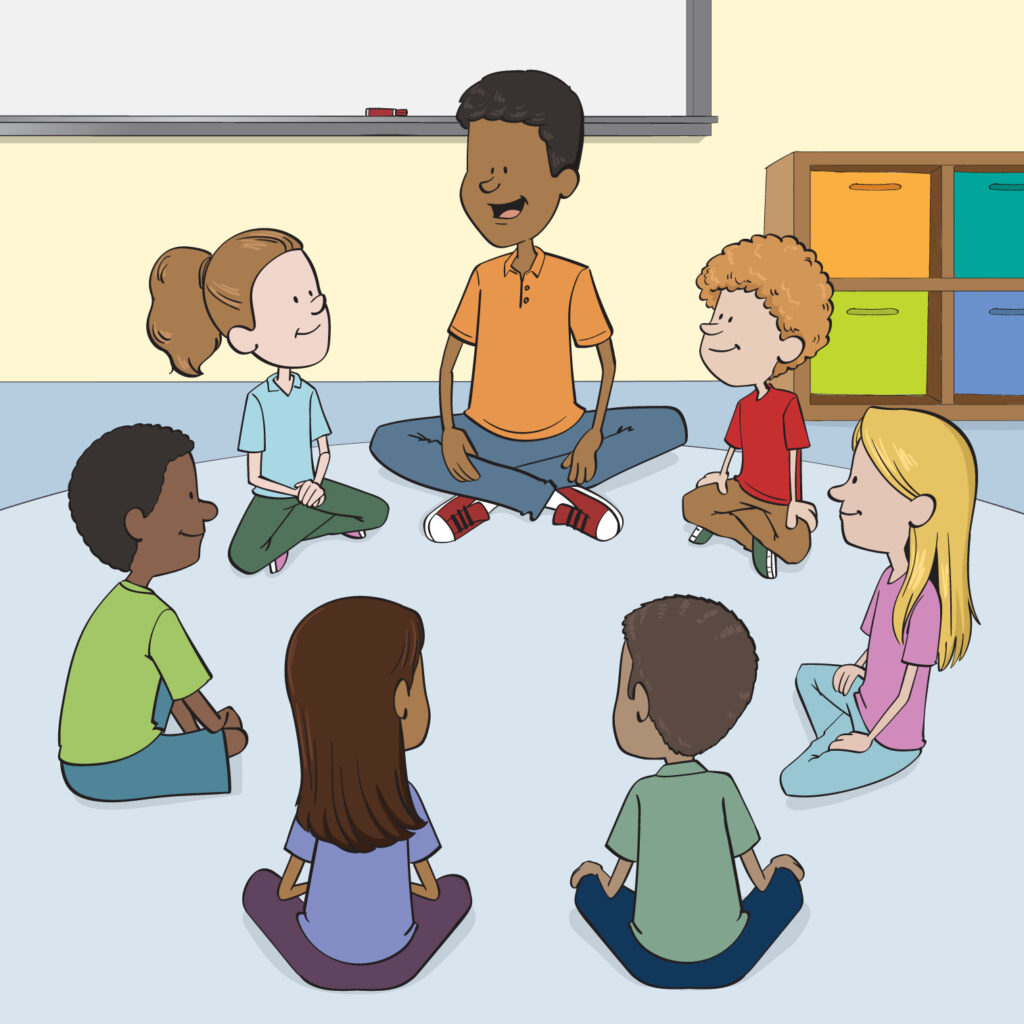
Character Education and Asset Development are at the core of TGFV-A Peaceable Place and TGFV-Social Perspectives to provide students with the skills, knowledge, and attitudes they need for positive social development and supportive relationships.
The readiness and ability to socialize, connect, and cooperate with others is essential for positive peer bonding, healthy relationship building, and advocacy for one’s needs.
Interpersonal skills are developed, practiced, and refined throughout the course as students consider how their decisions affect others, strengthen their ability to identify and respond appropriately to the emotions of others, and discern the characteristics of an effective speaker and an active listener.
The complete TGFV skills set brings insight, understanding, and social awareness to the forefront of every social encounter. Students use these interpersonal skills every day to guide appropriate behavior in social situations and to form relationships and meaningful connections, resolve problems, deescalate conflict, and manage bullying situations
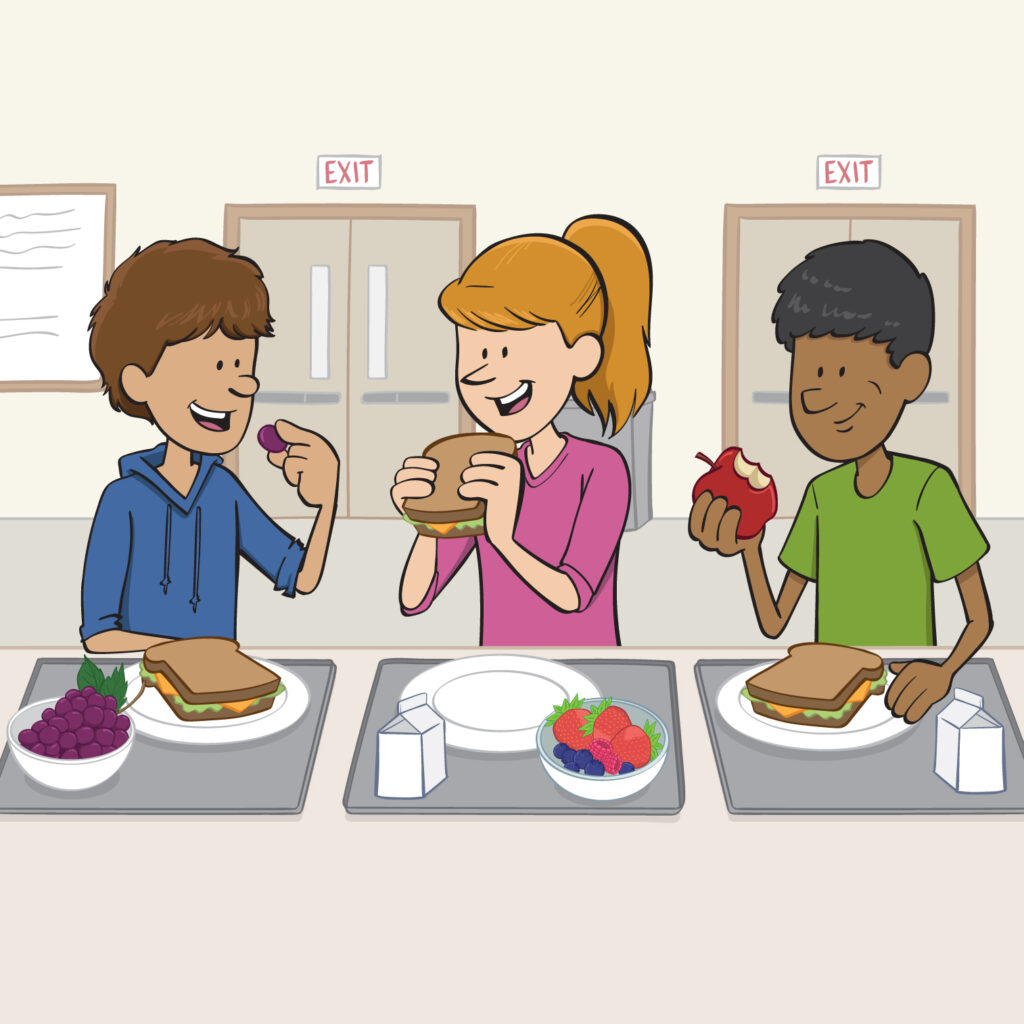
Seeds of Nutrition
Seeds of Nutrition is a skills-based nutrition education curriculum designed to promote a priority for health within the adolescent. Students learn the role of nutrients, hydration, exercise, and rest in promoting physical and mental well-being. Students exposed to this information will be more likely to adopt standards and norms consistent with a healthy lifestyle.
Nutrition topics are discussed in the context of expectations, peer pressure and influence, and the role of the media in creating expectations and their role in decision making. Students set and reach more complex goals and, in the process, develop and practice stronger decision-making skills and effective-communication skills.
Students also learn to identify and manage their emotions and the emotions of others so they can better relate to others and seek to associate with positive peer groups. Through the development of knowledge, skills, and attitudes teens need to make healthy decisions consistent with their healthy goals.